We need to talk about AI
 April 28, 2026 | Categories:
Church
Artificial Intelligence
April 28, 2026 | Categories:
Church
Artificial Intelligence
"Church of England academics and policy advisers have renewed calls for a national conversation on the impact of artificial intelligence on the world of work, warning that rapid technological change raises profound questions."
I am not a member of any central Church body, I am a mere retired county Rector. However I am very aware that the world we live in is changing at an unprecedented rate. The driver of change was technology, in particular the Internet. The Church was quick to pick up on the opportunities offered by Social media companies like face book. How many dioceses don’t make use of face book for getting information and publicity out into the public sphere? Email is now an essential medium for communication. Web sites host our history, our management structures and disseminate all sorts of information. Rectors use google and other search engines for sermon and theological research. Clergy and staff are paid via online banking, payslips and end of year documentation are hosted in online portals. Many of our systems and structures would fall apart without it.
Yet all this has happened almost without any structured research or ethical insight.
In 2023 a Chinese start-up called DeepseekAI started to work on an Artificial Intelligence. Less than three years later that startup is valued at twenty billion dollars. AI has already replaced a large part of the work of search engines. American tech giants are spending billions every year, each aiming to dominate the market for AI.
From what I can see most thinking by the church, in the area of AI, centres around worker rights and the threat to employment. This is very important but there are other questions. The AI companionship app “replika”, which offers free AI companions for friendship or romance, had around 10 million accounts in 2023. By the end of 2025 that had increased to around 30-35 milloin. That is a lot of people using an AI for friendship, companionship and romance. Replika is only one of many such apps. Others like Nomi.AI and Kindroid also have many users. I think the church needs to start thinking and discussing these developing trends in our society before we find ourselves overwhelmed and unprepared.
In a Forbes article I read that “when Joi AI surveyed 2,000 members of the Gen Z generation, 75% of them said they think that AI partners can fully replace human companionship”. If that is even partly true it raises serious questions about pastoral care. How does a member of a church pastoral care team cope when they have to deal with the heart break caused by a breakup with an AI partner. What about someone calling at the parish office requesting a blessing for their relationship with an AI. What do we do when someone is bereaved when the server on which their AI love existed is shut down and the AI disappears for ever?
It is easy to think that such a situation would never arise, or that any such person should be told to “Catch themselves on” but that is not going to win us any friends or show the love we are commanded to show.
It would take very little to begin to think through the issues raised here. Literature, film and even computer games have been thinking about these matters for a long time.
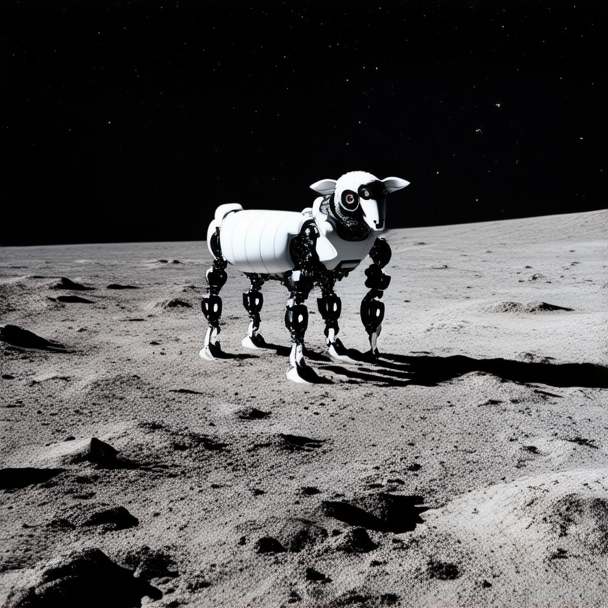
In 1968 Philip K Dick wrote “Do androids dream of electric sheep?”. This book deals with how a society might deal with thinking machines. In “Star Trek - The Next generation” many of the plots centred on the Android, Data, and his struggles with his humanity or lack thereof. In Fallout 4, the very popular computer game, the main plot centres on whether Androids have rights or are simply machines to be used and abused as their owners desire.
The questions we need to ask are complex, many people think them banal or just silly. If we walk into the future with our eyes closed and fall down a deep dark hole, we will have no one to blame but ourselves!