AI in Literature
 April 27, 2026 | Categories:
Artificial Intelligence
April 27, 2026 | Categories:
Artificial Intelligence
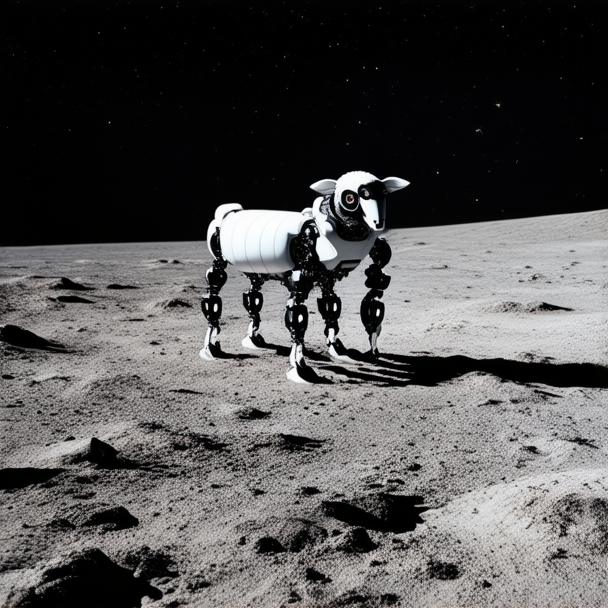
In 1968 Philip K Dick published “Do androids dream of electric Sheep?” I have put together a little post looking at some of the issues he raised in an age when Artificial Intelligence was a very futuristic concept. Perhaps its is time we revisited these issues as the matter is quickly becoming somewhat urgent!
Do Androids Dream of Electric Sheep?
Summary
Set in a post-apocalyptic world, Do Androids Dream of Electric Sheep? (1968) is a science fiction novel by Philip K. Dick that explores the themes of humanity, artificial intelligence, and what it means to be alive.
The story takes place in a world where nuclear war has devastated the planet, leaving behind a desolate landscape and a society struggling to survive.
The World
In this new world, bounty hunters are hired to track down and “retire” (kill) advanced androids, known as Nexus-6 models, that have escaped and are seeking to extend their lifespan. These androids are nearly indistinguishable from humans, with advanced intelligence, emotions, and experiences. They are the product of a technological society that has become dependent on them.
The Main Character
Rick Deckard is a bounty hunter who specialises in “retiring” Nexus-6 androids. He is a complex character, struggling to maintain his humanity in a world where everything around him seems artificial. His job requires him to question the nature of existence and confront the blurred lines between humans and androids.
The Androids
The novel focuses on a group of advanced androids, led by Roy Batty, who are seeking to extend their lifespan. They have developed emotions, desires, and a sense of self, making them indistinguishable from humans. The androids’ existence is marked by a desire for humanity, as they seek to experience the world like humans do.
The Treatment of Artificial Intelligence
In Do Androids Dream of Electric Sheep?, artificial intelligence (AI) is treated as a reflection of human society and its values. The novel explores the themes of empathy, compassion, and morality in relation to AI. The androids’ capacity for emotions, memories, and self-awareness raises questions about their humanity and whether they deserve the same rights and treatment as humans.
The novel highlights the tension between humans and androids, with some characters viewing them as nothing more than machines to be used and discarded, while others see them as beings worthy of compassion and understanding. The androids’ struggles for self-preservation and their desire to experience life like humans do serve as a commentary on humanity’s own existential crises.
The Significance
Do Androids Dream of Electric Sheep? is significant not only because it explores the themes of artificial intelligence but also because it predicts the impact that AI will have on human society. The novel anticipates many of the concerns and questions surrounding AI, such as its potential to augment or replace human capabilities, and whether it deserves the same rights and respect as humans.
The novel’s exploration of what it means to be alive is particularly relevant today, as we continue to develop more advanced forms of AI. Do Androids Dream of Electric Sheep? encourages readers to consider the ethics and implications of creating intelligent beings that are capable of experiencing life in their own way.
Conclusion
In Do Androids Dream of Electric Sheep?, Philip K. Dick presents a thought-provoking exploration of artificial intelligence, humanity, and what it means to be alive. The novel raises important questions about our relationship with AI and encourages readers to consider the ethics and implications of creating intelligent beings that are capable of experiencing life in their own way.