Going through life with our eyes closed
 April 22, 2026 | Categories:
Church
Artificial Intelligence
April 22, 2026 | Categories:
Church
Artificial Intelligence
Artificial Intelligence and the Church
I retired in October 2025 and as a little project I decided to do some research on Artificial Intelligence. I realise AI gets a bad press in Church Circles. Most references to it seem to major on how bad it is to use AI to write your sermons. I agree with that. I personally could never preach a sermon written by someone else, human or AI. However there is a lot more to AI than cheating at your homework. I think it is time some people in my church, the Church of Ireland, and other churches, started to take this subject seriously.
Can't we just Ignore it, perhaps it will go away?
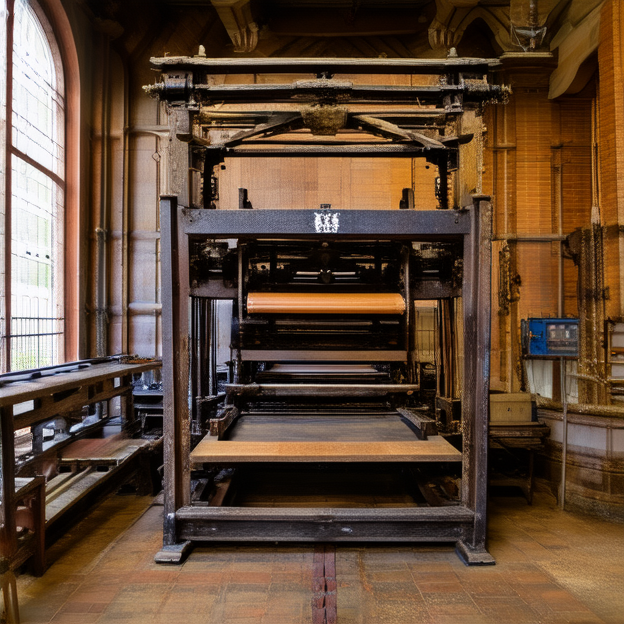
There have been many cases in the past, when large groups of people rebelled against social change. The French workers trying to turn back the industrial revolution by throwing their sabots, (Wooden Shoes), into the machinery. Their English counterparts, the Luddites doing much the same. The introduction of the pipe organ into worship services is an interesting parallel, riots in the streets, just as the introduction of music groups in place of pipe organs in the 1970s ans 80s had a less violent but just as strident reaction. The Catholic Church and the professional scribes of the monastic orders trying to stop the presses as the bibles poured out across Europe, as the great unwashed masses learnt to read, and the introduction of the "Horseless Carriage" with its threat of mayhem and death on the roads, which came to pass despite the protests.
Every time a new technology is introduced people protest, but protest can't stop progress. Even though the fears of the protesters were often fulfilled, the world moved forward and there was no stopping it.
The technological revolution is here to stay. We can ignore it, we can fight it, but if we do we shall, in the end, be the losers. The world is changing at an incredible rate. This is not necessarily a bad thing, or a good thing, it is just a thing. Lets look at some ways we can use the tools provided by AI, to make our lives easier and to fulfil our calling.
On-line Ministry
As technology advances, more people are turning to online platforms for spiritual guidance and community. I know of a Church of Ireland Pastor who has over 37,000 subscribers to his YouTube channel. I read articles on Substack, posted by a Church of England Vicar, who also has over 20,000 subscribers on YouTube. Online tools like Facebook, Instagram and WhatsApp are changing the way people communicate. Many churches already use these tools, but find them onerous and time consuming. AI can greatly help, freeing up time to get back to the face to face ministry which will always be the bedrock of the local church.
Prayer Requests and Support
AI-driven natural language processing (NLP) can analyse prayer requests from members of the congregation, providing insights on common themes, concerns, and needs. Clergy and pastors can then use this information to tailor their prayers, sermons, and pastoral care efforts more effectively.
Sermon Development and Preaching
AI-powered tools can assist clergy and pastors in developing sermons by analyzing biblical texts, identifying key themes, and providing insights on how to structure their message for maximum impact. Biblical research tools like Logos Bible Software or Accordance offer AI-powered search and analysis features that can help pastors develop sermons. Speech-to-text software like Otter or Temi can also assist clergy in transcribing sermons and creating written summaries.
Church Operations and Management
Larger churches have long used computer software to track giving, produce end of year reports, organise visiting lists and pastoral care teams. AI-powered solutions can streamline various aspects of church operations, such as:
Scheduling: AI can optimise scheduling systems for events, meetings, and worship services.
Finance management: AI-driven accounting software can track expenses, donations, and income more accurately.
Volunteer coordination: AI-powered platforms can match volunteers with specific needs and tasks.
Research and Theological Reflection
AI-powered tools can assist clergy and pastors in conducting research on theological topics, analysing texts, and identifying patterns and trends. These tools can also analyse currents events and historical precedence. This can inform their preaching, teaching, and spiritual leadership roles.
Online Education and Formation
AI-powered platforms can provide online education and formation opportunities for clergy and pastoral staff, helping them stay up-to-date with best practices, latest research, and emerging trends in ministry.
Conclusion
Artificial intelligence has the potential to revolutionise the way clergy and pastors operate, enabling them to engage more effectively with their congregations, develop personalised ministries, and streamline church operations. Even if we are determined reject the tools AI offers, we cannot afford to ignore it and remain ignorant of the way it is transforming the lives of those to whom we minister. As AI continues to evolve, it is essential for religious leaders to stay informed about its applications and benefits, ensuring that we remain relevant and effective in serving our communities and our God.